- Recent Articles
-
Product Guides
-
Garments
- SPRING WORKWEAR BUYER’S GUIDE
- HOW TO CHOOSE THE BEST WATERPROOF WORKWEAR
- GEAR UP, FLEX ON: MEET THE FROSTFLEX™ SYSTEM FROM REFRIGIWEAR
- TOP 5 THINGS TO LOOK FOR IN THE WARMEST JACKETS
- WHY DO YOU NEED COLD WEATHER BIB OVERALLS?
- 5 ALL WEATHER JACKETS YOU CAN WEAR IN ANY SEASON
- 5 WORK SWEATSHIRTS AND HOODIES THAT ARE PERFECT FOR FALL TEMPERATURES
- 7 OF THE BEST WORK JACKETS FOR MEN
- 8 BEST HIGH-VISIBILITY JACKETS FOR CONSTRUCTION WORKERS
- COVERALLS vs. BIBS: WHICH ONE IS RIGHT FOR YOU?
- HOW AND WHY TO CHOOSE A PUFFER JACKET
- HOW TO CHOOSE THE BEST INSULATED BIB OVERALLS
- HOW TO CHOOSE THE RIGHT FLEECE JACKET
- BEST INSULATED GEAR FOR WOMEN
- OUTWORK ANY WEATHER WITH PREMIUM JACKETS
- THE BEST PANTS FOR COLD WEATHER
- TOP 7 FEATURES OF A SUBZERO SWEATSHIRT
- WHAT ARE THE BEST SWEATSHIRTS TO WEAR FOR COLD WEATHER?
- WHAT IS THE DIFFERENCE BETWEEN A DOWN JACKET AND A PUFFER JACKET?
- WHY AND WHEN TO WEAR A VEST FOR WARMTH
- TOP 4 OPTIONS FOR SPRING AND FALL GEAR
- 3 THINGS YOU NEED TO KNOW ABOUT HIVIS WORKWEAR
- TOP 5 MUST-HAVE FEATURES FOR RAINWEAR
- WHY DO YOU NEED A FREEZER SUIT IN THE GROCERY BUSINESS?
- WHY YOU SHOULD LOOK FOR BREATHABILITY AND WICKABILITY IN COLD WEATHER WORKWEAR
- CUSTOMER STORIES: BEST INSULATED BIB OVERALLS FOR WOMEN
-
Footwear
- WINTER WORK BOOT BUYER'S GUIDE
- SLIP-RESISTANT,SAFETY TOE, AND READY TO GO - THE SAFETY BOOT SURVIVAL GUIDE FOR HARD WORKING FEET
- 6 MOST DURABLE COLD WEATHER WORK BOOTS FOR MEN
- CASE STUDY: KEEPING CREWS ON THEIR FEET WITH PROPER FOOTWEAR
- HOW TO CHOOSE THE RIGHT SIZE WORKBOOT
- HOW TO EXTEND THE LIFE OF YOUR WORK BOOTS
- HOW TO FIND THE PERFECT WORK BOOTS FOR LANDSCAPING
- THE SCIENCE BEHIND MOISTURE-WICKING SOCKS
- YOUR FEET WILL THANK YOU FOR WEARING THESE WORK BOOTS
- 5 TIPS FOR CHOOSING THE BEST WORK BOOT
- Headwear
-
Gloves
- HOW TO CHOOSE WATERPROOF WORK GLOVES
- ULTIMATE GUIDE TO IMPACT PROTECTION GLOVES
- HOW TOUCHSCREEN GLOVES IMPROVE SAFETY
- TOP 5 WATERPROOF WORK GLOVES
- 5 UTILITY GLOVES THAT KEEP YOU WARM IN EXTREME COLD
- GIVE COLD THE FINGER: TOP 5 FEATURES OF PREMIUM GLOVES
- HOW TO USE GLOVE LINERS
- TOP 3 ADVANTAGES OF PERFORMANCE GLOVES
- 3 WAYS TOUCHSCREEN GLOVES MAKE YOUR JOB EASIER
- TOP 4 THINGS TO LOOK FOR IN WATERPROOF GLOVES
- HOW TO WEAR GLOVE LINERS ON THE JOB
- 9 WORK GLOVES BUILT FOR SERIOUS PROTECTION AND PERFORMANCE
- 9 MUST-HAVE FEATURES FOR WAREHOUSE WORK GLOVES
- Use & Care
-
Garments
-
RefrigiWear Knowledge
- REFRIGIWEAR EXPERT PUBLISHED IN ASSP PROFESSIONAL SAFETY
- SLIP-RESISTANT, SAFETY TOE, AND READY TO GO - THE SAFETY BOOT SURVIVAL GUIDE FOR HARD WORKING FEET
- HOW TO SHOVEL SNOW SAFELY
- 10 ESSENTIAL PIECES OF COLD WEATHER GEAR FOR FARMERS
- 10 TIPS FOR WORKING SAFELY IN COLD WEATHER
- 3 REASONS WHY FREEZER SUITS ARE ESSENTIAL FOR WORKING IN THE COLD
- A BEGINNER’S GUIDE TO WORKING OUTSIDE
- ADVANTAGES OF SYNTHETIC INSULATION
- COLD WEATHER GEAR FOR OUTDOOR ACTIVITIES
- HOW TO AVOID DRAFTS IN COLD WEATHER WORK CLOTHES
- HOW TO STAY WARM FROM HEAD TO TOE IN COLD WEATHER
- HOW TO STAY WARM ON THE JOB SITE
- HOW TO STORE WINTER WORKWEAR FOR THE SUMMER
- HOW TO USE REFRIGIWEAR COMFORT RATINGS TO CHOOSE INSULATED GEAR
- THE HEALTH RISKS OF WEARING TOO MUCH COLD WEATHER GEAR
- THE IMPORTANCE OF PROPER FOOT CARE WHEN WORKING IN THE COLD
- THE ULTIMATE SAFETY CHECKLIST FOR CONSTRUCTION WORKERS IN COLD CONDITIONS
- WHAT SHOULD I WEAR FOR SNOWMOBILING?
- WHAT’S THE TOUGHEST GEAR FOR COLD WEATHER?
- WHICH TYPE OF SLEEVE IS RIGHT FOR YOUR WINTER ACTIVITY?
- TOP 5 COLDEST AMERICAN CITIES AND HOW TO STAY WARM
- TOP 4 TIPS FOR WORKING IN THE RAIN
- 5 TIPS FOR MOTORCYCLING IN WINTER
- HOW TO DRESS FOR THE COLD IN 4 EASY STEPS
- A BEGINNER’S GUIDE TO STAYING WARM WHILE WORKING IN THE COLD
- HOW TO STAY WARM WHEN WORKING IN THE COLD
- COLD-WEATHER ROOFER SAFETY
- Stories
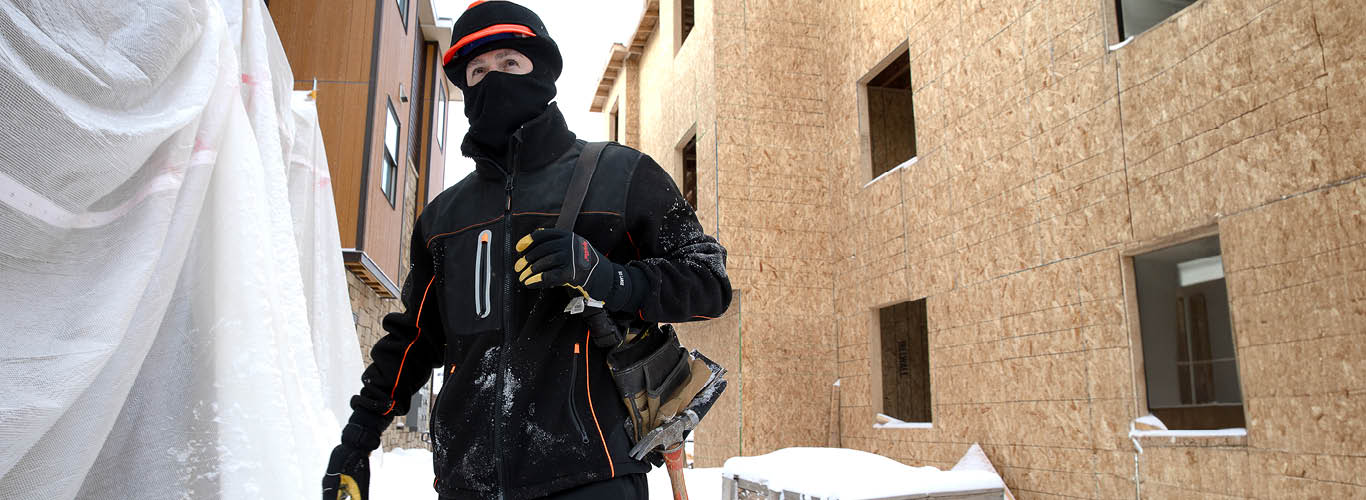
Cold-Weather Roofer Safety: How to Protect Your Crew When Temperatures Drop
Freezing and fluctuating temperatures don’t just damage roofing materials — they create hazards for the crews who install and maintain them. This guide helps safety managers, foremen and roofing crews choose the right cold-weather PPE (jackets, boots and insulated work gloves) to reduce cold stress, slips and injuries on the job.
The Cold Facts on Roofer Safety
Roofing in winter brings a dangerous combination of low temperatures, wind, moisture and slippery surfaces. Metal roofers are especially vulnerable: working at height and on highly conductive surfaces increases heat loss from the body and the risk of cold-related injury.
“You’re up against low temperatures, high winds and sometimes even rain, sleet or snow. If you don’t have the right workwear and safety gear to handle those conditions, you can’t do the job,” says James Scogins, Safety Director at Mid-South Roof Systems.
Cold stress occurs when the body redirects blood to the core, reducing circulation to fingers and toes. Cold stress can develop even in temperatures near 50°F when wind or rain increase heat loss. Signs and consequences include:
- Fatigue, drowsiness, disorientation and slowed reaction times
- Reduced grip strength and tactile sensitivity
- Greater risk of slips, trips and falls
- Frostbite or hypothermia in severe cases
There’s no one-size-fits-all solution — crews in different regions and on different projects need tailored PPE choices based on actual jobsite conditions and workload.
How to Choose Jackets & Outerwear for Roofing Crews
Project superintendents and safety managers should balance warmth, mobility and weatherproofing when specifying outerwear. Roofing work demands jackets that move with the body without adding bulk or creating cold spots.
Understand Insulation
Start with the lightest insulation that will handle expected temperatures and wind chill. Over-bundling can cause sweating and increase cold-stress risk when moisture cools. Consider these factors:
- Temperature ratings: Some garments undergo thermal testing and are best-suited for a particular temperature range.
- GSM: Insulation density is often given in grams per square meter (gsm). Higher gsm = warmer garment.
- Synthetic vs. down: Synthetic fills (polyester) are lighter, more durable, and resist clumping or cold spots — a practical choice for roofers who bend and move frequently.
Weatherproofing & Visibility
Choose wind-tight, water-repellent shells (coated polyester or nylon) and consider integrated waterproof membranes. For crews that must remain visible, specify insulated high-visibility jackets rather than layering bulky vests over jackets.
Range of Motion
Design matters: look for bi-swing or raglan sleeves for shoulder mobility, elbow stretch panels or accordion-style inserts to ease bending, and bomber-length hems with stretch knits to keep the jacket in place while keeping tools accessible.
How to Choose Winter Work Boots for Roofers
Foot protection is critical on metal roofs where cold conducts through the sole. Select boots that prioritize traction, insulation and moisture resistance.
Slip-Resistant Soles
Winter-ready outsoles should resist cracking from freeze-thaw cycles and provide traction on ice and frost. Damaged soles can permit cold and moisture into the boot, increasing danger.
Composite Safety Toes
Use composite toe boots instead of steel in cold conditions — composite materials meet ASTM safety standards but do not conduct cold like steel, reducing frostbite risk at the toes.
Weatherproofing & Insulation
Prefer bonded or glued outsoles (fewer entry points for water) and low-maintenance uppers (nylon or Kevlar) that don’t need constant conditioning. Match boot insulation (gsm or temperature rating) to the job — avoid overheating.
Shock & Sweat Absorption
Look for multi-layer, moisture-wicking insoles with shock-absorbing gel or air layers to reduce fatigue and pull sweat away from the foot.

How to Choose Winter Work Gloves for Roofing Tasks
Gloves must preserve dexterity while providing insulation and protection. Roofers often need coated gloves for adhesives and cut-resistant options for metal work — but in winter, insulation becomes a deciding factor.
Insulation & Liners
For mild conditions, use thin moisture-wicking liners beneath standard work gloves. When temps drop below freezing, shift to fully insulated work gloves rated for cold protection.
Ergonomics & Dexterity
Choose gloves with a pre-curved, ergonomic fit, flexible panels across knuckles, and side gussets between fingers to allow independent movement. Palm coatings with a tacky finish help retain grip on tools and materials.
Stay Safe & Warm This Winter
Winter roofing will always be a challenge, but the right PPE reduces risk and keeps crews productive. Specify jackets with appropriate insulation and weatherproofing, boots with traction and composite toes, and gloves that balance warmth with dexterity. Together, these choices prevent cold stress, reduce injuries, and help projects stay on schedule.
Quick PPE Checklist
- Insulated, weatherproof HiVis outerwear
- Boots with slip-resistant soles & composite safety toes
- Insulated work gloves with ergonomic fit
- Moisture-wicking liners for variable temps
Onsite Practices
- Monitor crews for cold-stress symptoms
- Rotate tasks to limit exposure times
- Provide warm break areas and hot fluids
- Match PPE levels to specific jobsite conditions
With the right equipment and policies, roofing teams can stay focused, safe, and productive all winter long. For specification help or product recommendations tailored to your region and workflows, consult your PPE supplier or safety director.