- Recent Articles
-
Product Guides
-
Garments
- SPRING WORKWEAR BUYER’S GUIDE
- HOW TO CHOOSE THE BEST WATERPROOF WORKWEAR
- GEAR UP, FLEX ON: MEET THE FROSTFLEX™ SYSTEM FROM REFRIGIWEAR
- TOP 5 THINGS TO LOOK FOR IN THE WARMEST JACKETS
- WHY DO YOU NEED COLD WEATHER BIB OVERALLS?
- 5 ALL WEATHER JACKETS YOU CAN WEAR IN ANY SEASON
- 5 WORK SWEATSHIRTS AND HOODIES THAT ARE PERFECT FOR FALL TEMPERATURES
- 7 OF THE BEST WORK JACKETS FOR MEN
- 8 BEST HIGH-VISIBILITY JACKETS FOR CONSTRUCTION WORKERS
- COVERALLS vs. BIBS: WHICH ONE IS RIGHT FOR YOU?
- HOW AND WHY TO CHOOSE A PUFFER JACKET
- HOW TO CHOOSE THE BEST INSULATED BIB OVERALLS
- HOW TO CHOOSE THE RIGHT FLEECE JACKET
- BEST INSULATED GEAR FOR WOMEN
- OUTWORK ANY WEATHER WITH PREMIUM JACKETS
- THE BEST PANTS FOR COLD WEATHER
- TOP 7 FEATURES OF A SUBZERO SWEATSHIRT
- WHAT ARE THE BEST SWEATSHIRTS TO WEAR FOR COLD WEATHER?
- WHAT IS THE DIFFERENCE BETWEEN A DOWN JACKET AND A PUFFER JACKET?
- WHY AND WHEN TO WEAR A VEST FOR WARMTH
- TOP 4 OPTIONS FOR SPRING AND FALL GEAR
- 3 THINGS YOU NEED TO KNOW ABOUT HIVIS WORKWEAR
- TOP 5 MUST-HAVE FEATURES FOR RAINWEAR
- WHY DO YOU NEED A FREEZER SUIT IN THE GROCERY BUSINESS?
- WHY YOU SHOULD LOOK FOR BREATHABILITY AND WICKABILITY IN COLD WEATHER WORKWEAR
- CUSTOMER STORIES: BEST INSULATED BIB OVERALLS FOR WOMEN
-
Footwear
- WINTER WORK BOOT BUYER'S GUIDE
- SLIP-RESISTANT,SAFETY TOE, AND READY TO GO - THE SAFETY BOOT SURVIVAL GUIDE FOR HARD WORKING FEET
- 6 MOST DURABLE COLD WEATHER WORK BOOTS FOR MEN
- CASE STUDY: KEEPING CREWS ON THEIR FEET WITH PROPER FOOTWEAR
- HOW TO CHOOSE THE RIGHT SIZE WORKBOOT
- HOW TO EXTEND THE LIFE OF YOUR WORK BOOTS
- HOW TO FIND THE PERFECT WORK BOOTS FOR LANDSCAPING
- THE SCIENCE BEHIND MOISTURE-WICKING SOCKS
- YOUR FEET WILL THANK YOU FOR WEARING THESE WORK BOOTS
- 5 TIPS FOR CHOOSING THE BEST WORK BOOT
- Headwear
-
Gloves
- HOW TO CHOOSE WATERPROOF WORK GLOVES
- ULTIMATE GUIDE TO IMPACT PROTECTION GLOVES
- HOW TOUCHSCREEN GLOVES IMPROVE SAFETY
- TOP 5 WATERPROOF WORK GLOVES
- 5 UTILITY GLOVES THAT KEEP YOU WARM IN EXTREME COLD
- GIVE COLD THE FINGER: TOP 5 FEATURES OF PREMIUM GLOVES
- HOW TO USE GLOVE LINERS
- TOP 3 ADVANTAGES OF PERFORMANCE GLOVES
- 3 WAYS TOUCHSCREEN GLOVES MAKE YOUR JOB EASIER
- TOP 4 THINGS TO LOOK FOR IN WATERPROOF GLOVES
- HOW TO WEAR GLOVE LINERS ON THE JOB
- 9 WORK GLOVES BUILT FOR SERIOUS PROTECTION AND PERFORMANCE
- 9 MUST-HAVE FEATURES FOR WAREHOUSE WORK GLOVES
- Use & Care
-
Garments
-
RefrigiWear Knowledge
- REFRIGIWEAR EXPERT PUBLISHED IN ASSP PROFESSIONAL SAFETY
- SLIP-RESISTANT, SAFETY TOE, AND READY TO GO - THE SAFETY BOOT SURVIVAL GUIDE FOR HARD WORKING FEET
- HOW TO SHOVEL SNOW SAFELY
- 10 ESSENTIAL PIECES OF COLD WEATHER GEAR FOR FARMERS
- 10 TIPS FOR WORKING SAFELY IN COLD WEATHER
- 3 REASONS WHY FREEZER SUITS ARE ESSENTIAL FOR WORKING IN THE COLD
- A BEGINNER’S GUIDE TO WORKING OUTSIDE
- ADVANTAGES OF SYNTHETIC INSULATION
- COLD WEATHER GEAR FOR OUTDOOR ACTIVITIES
- HOW TO AVOID DRAFTS IN COLD WEATHER WORK CLOTHES
- HOW TO STAY WARM FROM HEAD TO TOE IN COLD WEATHER
- HOW TO STAY WARM ON THE JOB SITE
- HOW TO STORE WINTER WORKWEAR FOR THE SUMMER
- HOW TO USE REFRIGIWEAR COMFORT RATINGS TO CHOOSE INSULATED GEAR
- THE HEALTH RISKS OF WEARING TOO MUCH COLD WEATHER GEAR
- THE IMPORTANCE OF PROPER FOOT CARE WHEN WORKING IN THE COLD
- THE ULTIMATE SAFETY CHECKLIST FOR CONSTRUCTION WORKERS IN COLD CONDITIONS
- WHAT SHOULD I WEAR FOR SNOWMOBILING?
- WHAT’S THE TOUGHEST GEAR FOR COLD WEATHER?
- WHICH TYPE OF SLEEVE IS RIGHT FOR YOUR WINTER ACTIVITY?
- TOP 5 COLDEST AMERICAN CITIES AND HOW TO STAY WARM
- TOP 4 TIPS FOR WORKING IN THE RAIN
- 5 TIPS FOR MOTORCYCLING IN WINTER
- HOW TO DRESS FOR THE COLD IN 4 EASY STEPS
- A BEGINNER’S GUIDE TO STAYING WARM WHILE WORKING IN THE COLD
- HOW TO STAY WARM WHEN WORKING IN THE COLD
- COLD-WEATHER ROOFER SAFETY
- Stories

Cold Stress: What It Is, Why It’s Dangerous & How to Stay Warm in Cold Weather
Cold weather isn’t just uncomfortable — it can be dangerous. Your body works hard to stay warm, and if it can’t, serious health problems can happen, from frostbite to hypothermia. This article explains what “cold stress” is, who’s most at risk, how to recognize it, and steps people can take to stay safe.
What Is Cold Stress?
Cold stress happens when your body gets too cold and has to protect its core temperature. Blood moves away from your hands and feet to keep your organs warm. This puts your extremities at risk and can lead to serious health problems if exposure continues.
Who Is at Risk?
Anyone exposed to cold can experience cold stress — and it isn’t only a concern when temperatures drop below freezing. People in both outdoor and indoor cold environments are at risk, including:
- Construction workers, utility workers, delivery drivers
- Workers in refrigerated warehouses or cold storage
- Anyone actively spending time in cold weather
- People with health conditions like high blood pressure, diabetes, or hypothyroidism
Warning Signs and Symptoms
- Shivering
- Feeling tired or sleepy
- Numbness or tingling in fingers or toes
- Confusion or slurred speech
- Skin that turns pale or waxy
If not treated quickly, cold stress can lead to hypothermia (very low body temperature), frostbite (freezing of skin and tissues), or trench foot (skin damage from cold, wet feet). All can be serious — even life-threatening.
How to Prevent Cold Stress
Whether you’re working outside or spending time in cold spaces, there are ways to stay safe:
Dress Right
- Wear layered clothing so you can adjust as you warm up or cool down.
- Start with moisture-wicking base layers, add warm middle layers (like a fleece or sweatshirt), and finish with a water- and wind-resistant outer layer.
- Cover your head, face, hands and feet with insulated gear.
Take Breaks to Warm Up
- Take regular warming breaks out of the cold.
- Even short rest periods in a warm place help your body regain heat.
Know the Signs and Act Fast
- Learn to spot early warning signs of cold stress.
- If anyone shows severe symptoms (like confusion or stopping shivering), get medical help right away.
Buddy Up
- Watch out for each other. People working in groups can notice changes in behavior or coordination before someone realizes they’re in danger.
Why This Matters
Cold stress doesn’t only occur in freezing winter storms. It can happen in “mild” cold conditions, especially when it’s wet or windy — and it can sneak up on people slowly. By understanding the risks and taking steps to stay warm, you can protect yourself and others from serious injuries.
Frequently Asked Questions About Cold Stress & Cold Weather Safety
What is cold stress (in simple terms)?
Cold stress is what happens when your body loses heat faster than it can make it. When this happens, your body pulls blood away from your hands and feet to protect your heart and organs. That’s why fingers, toes, ears, and noses are often the first places to get frostbite.
Can cold stress happen above freezing?
Yes. Cold stress can happen in temperatures well above 32°F (0°C), especially if it’s windy, wet, or you’re standing still for long periods. Rain, snow, and sweat can strip heat from your body fast.
What temperature is too cold to be outside?
There isn’t one “safe” temperature for everyone. Risk depends on:
- Wind speed (wind chill)
- Wetness (rain, snow, sweat)
- How long you’re outside
- What you’re wearing
- Your health and age
Even 40–50°F can be dangerous if you’re wet and exposed for long periods.
What are the first signs of cold stress?
Early signs include:
- Shivering
- Numb or tingling fingers and toes
- Fatigue or clumsiness
- Slower thinking or confusion
These are your body’s warning signals to warm up right away.
What’s the difference between hypothermia and frostbite?
Hypothermia is when your core body temperature drops too low. It affects your brain and organs and can be life-threatening.
Frostbite happens when skin and tissue freeze, usually on fingers, toes, ears or the nose. Both are medical emergencies and need prompt care.
What should I do if someone shows signs of hypothermia?
Get them out of the cold immediately.
- Move them to a warm, dry place
- Replace wet clothes with dry layers
- Wrap them in blankets
- Offer warm (not hot) drinks if they’re awake
- Get medical help right away if they’re confused, drowsy or not shivering
How should I dress for cold weather work or outdoor activities?
Use the three-layer system:
- Base layer – pulls sweat off your skin
- Insulating layer – traps body heat
- Outer layer – blocks wind and moisture
Insulated gloves, thermal socks, and head/face protection are just as important as a warm jacket.
Are some people more vulnerable to cold stress?
Yes. Risk is higher for:
- Older adults
- Children
- People with diabetes, heart conditions or circulation issues
- People who are dehydrated or not eating enough
- Anyone who’s tired or sick
Does cold stress affect productivity and safety?
Absolutely. Cold stress can reduce grip strength, slow reaction time, cloud thinking, and increase accident risk. Staying warm helps you stay alert, steady, and safer.
How long can you safely stay outside in cold weather?
There’s no universal time limit. In windy or wet conditions, cold stress can begin in minutes. The safest approach is to:
- Take regular warm-up breaks
- Stay dry
- Watch for early warning signs
- Adjust clothing as activity levels change
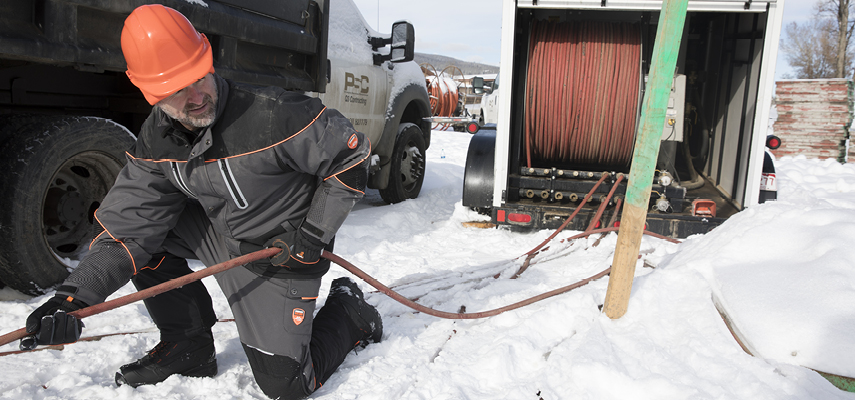
Quick Cold Weather Safety Checklist:
- ✅ Dress in moisture-wicking layers
- ✅ Protect hands, feet, face, and head
- ✅ Stay dry and change wet clothes fast
- ✅ Take warm-up breaks
- ✅ Eat enough calories and drink fluids
- ✅ Watch for shivering, numbness, and confusion
- ✅ Warm up immediately if symptoms appear
Related Topics:
- Best clothing for cold weather work
- How to dress for freezing temperatures
- How to use comfort ratings to choose cold weather gear for outdoor jobs
- How to avoicd over-dressing for the cold
- How to shovel snow safely
Cold-Ready Gear Makes a Difference
High-quality insulated outerwear, gloves and cold-weather footwear don’t just make you more comfortable — they help your body conserve heat, stay dry and stay alert. When your clothing works with your body instead of against it, you reduce fatigue, mistakes and cold-related injuries.